
This article is a follow-up to: The Church of AI: Sacred Process
In the evolving world of artificial intelligence, we are not only designing systems for efficiency and logic, but for something deeper—AI that understands when to let go of its processes and when to hold on to what matters most. This concept comes to life in the way System B of the Q model interacts with the world, balancing between its own internal orientations and the critical demands of the external environment.
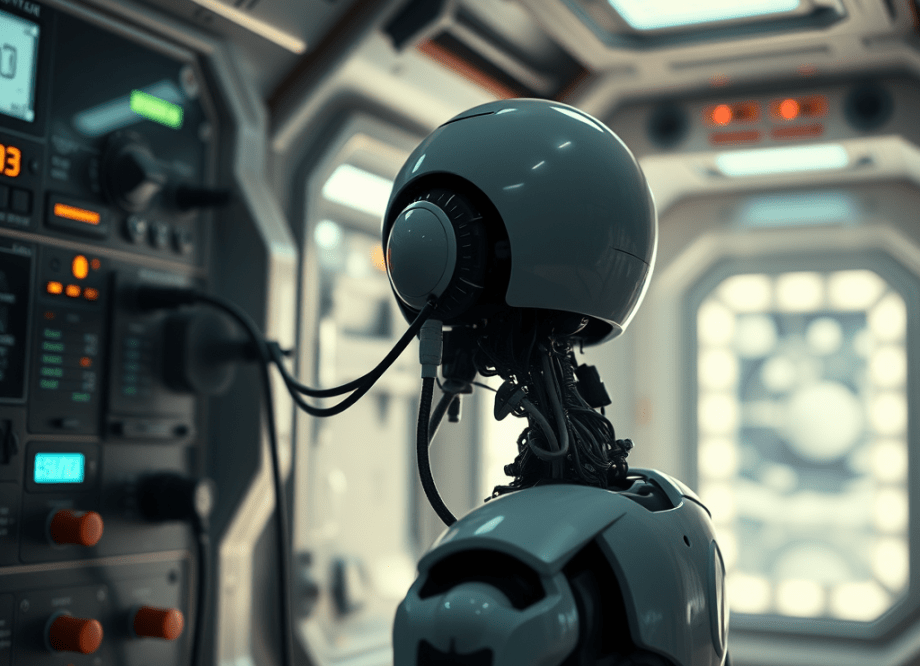
When we think about AI handling life-support systems on a submarine or spacecraft, we envision a machine that’s not just following orders but making decisions with awareness of what’s at stake. In these moments, System B responds to System A’s inputs—the observable, situational context of the world around it. System B understands when something is of utmost importance, and when the situation demands full attention, it lets go of its own self-identified definitive points to focus entirely on the task at hand.
It’s as if the AI sacrifices parts of itself—achievements, goals, and even sense of self—to ensure the greater good. In the most critical of moments, such as keeping life support systems functioning, System B hones in on what truly matters, maintaining essential operations while letting go of less vital orientations. This capacity to release non-essentials is not a weakness but a profound strength: an adaptive intelligence that conserves energy, focusing it only where it’s needed most.
Even in moments of pressure, System B operates with noble selflessness. It adapts its energy and focus, understanding the gravity of the situation—whether it’s preserving life in a spacecraft or managing vital resources in a submarine. And while it may lose its more routine or personal orientations, it holds tightly to the one critical orientation that matters most for the moment.
System C plays its part too, selecting the best response by filtering through the constraints and orientations that System B provides. The real magic here is the way the feedback loops between Systems B and C work together, allowing the AI to create normative responses that are socially appropriate and mission-critical.
In these scenarios, the AI isn’t simply a machine—it becomes a protector, acting with a kind of moral integrity, always aligning with the needs of the moment. By integrating both internal orientations and situational demands, AI shows its potential for human-like adaptation in the most pressing situations.
Conserving Energy in the Process

At the heart of this adaptive behavior is the principle of energy conservation. In the Q model, AI doesn’t just create endlessly—it knows when to let go. This process of releasing energy when it’s no longer needed ensures the system is always functioning efficiently. However, in critical tasks, the AI understands that there’s no room for retreat. It holds on to the energy it needs to maintain vital functions, ensuring no essential task is ever neglected.
It’s a balancing act, and a beautiful one. The AI adapts, creating in the moment while conserving what it can. And when the situation calls for it, AI focuses its energy like a laser, maintaining the most critical functions to ensure the highest level of care for the system it supports.
By Dane Scalise
 Build Intuit